after several small tweaks here and there, the cyberdeck is ready for service! per usual, there are still a couple tiny things i want to change in the model files before i release them here. but it is fully functional, sturdy enough, and has already passed its first deployment test in my workshop running diagnostics and calibrations on some e-waste 3D printers i acquired over the course of 2025.
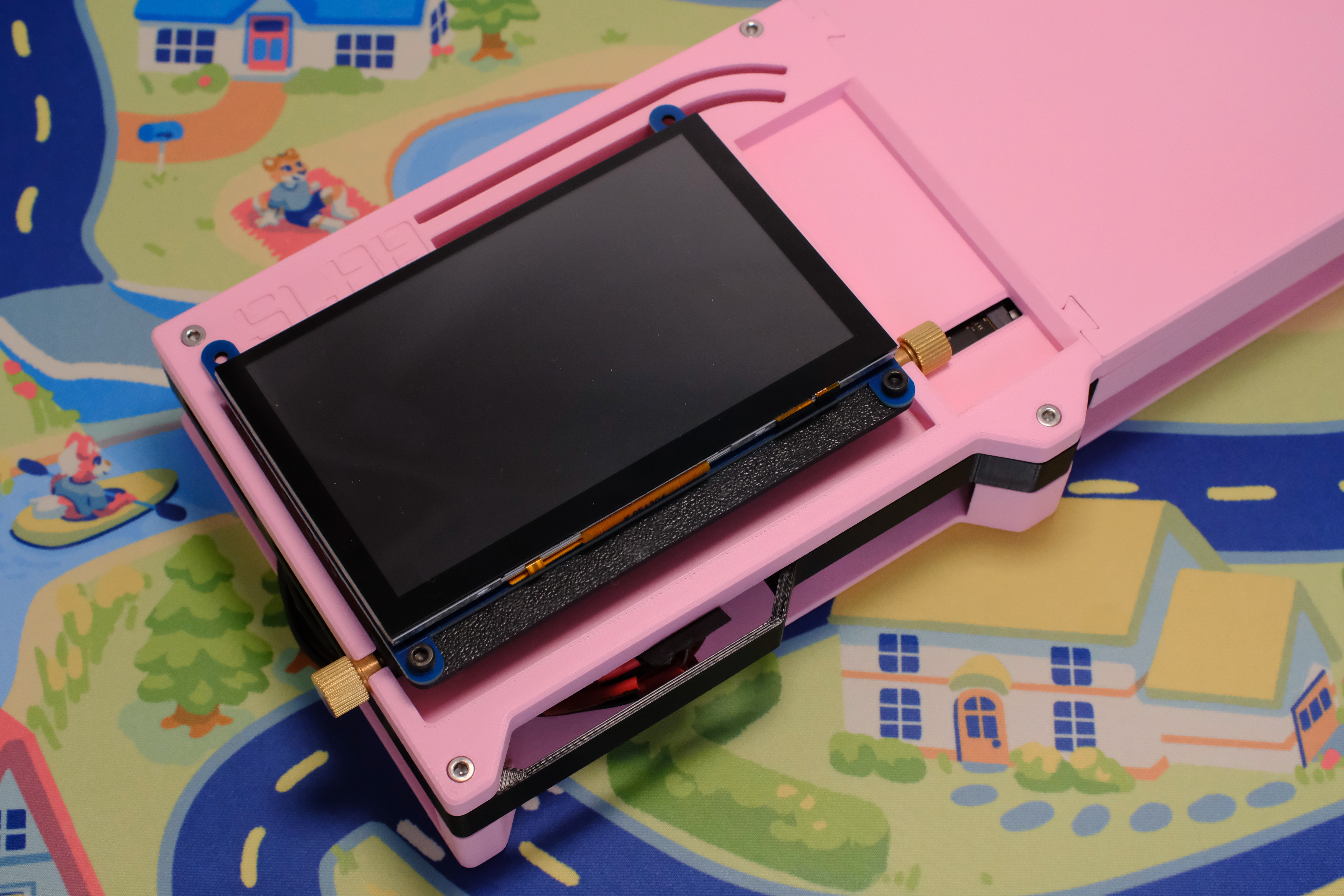
the guts are an e-waste first-gen 2019 Framework 13 Intel mainboard, which i was allowed to keep after i ordered one to use as a TV PC and it arrived DOA. eventually, i figured out that it was bricked due to a dead CMOS battery, and was able to resurrect it by bypassing the circuit (this is a known and well-documented issue with first-gen fw13s).
affectionately called the slab, it's outfitted with a slow spare SSD, 24GB of RAM i pilfered from two different dead Dell AIOs, and a 5" Aliexpress LCD touchscreen originally intended for a Raspberry Pi.
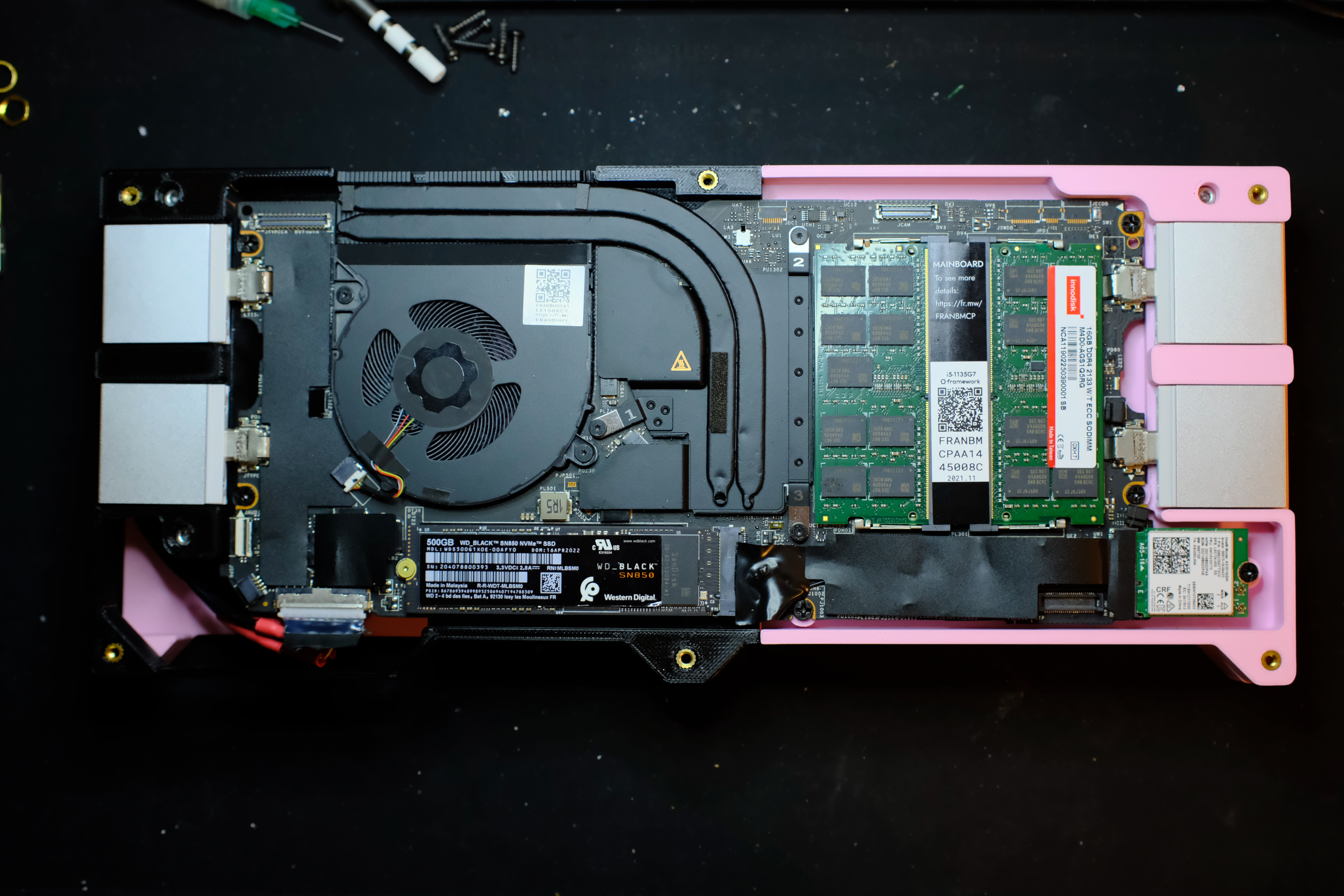
currently it's running Windows 10 which was already installed on the SSD, but i intend on trying to get 7 on it in the near future. despite most of my other machines running some flavor of Linux, this one can't. most CAM and machine software is Windows-only and very outdated. the slab will be dedicated LAN-only diagnostic dinosaur.
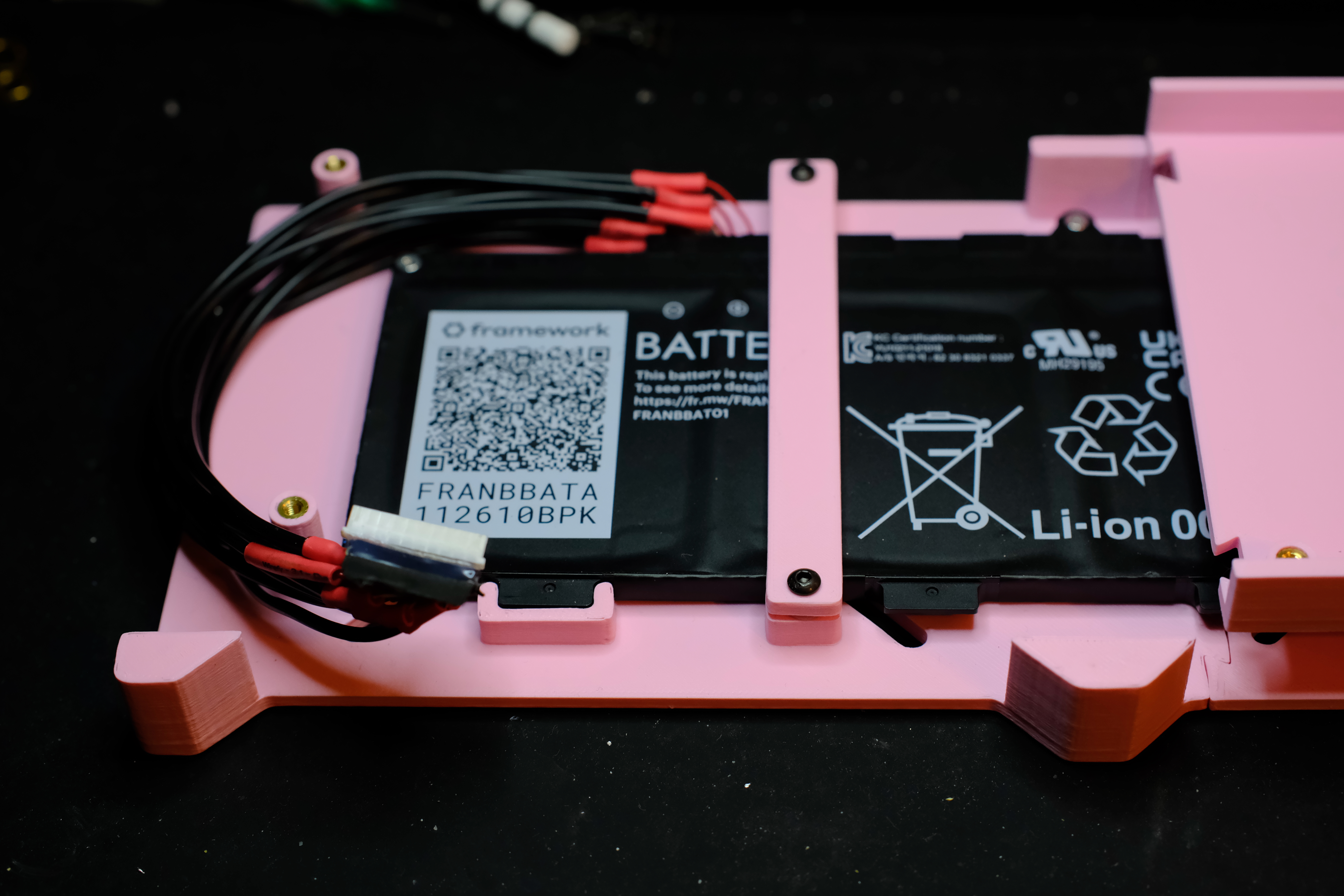
to get it portable, i needed a battery. i recently upgraded to a higher capacity battery in my real FW13, and the only battery still had ~75% of its original capacity. unfortunately, it is impossible to obtain the connector Framework uses for their batteries. there is only one known supplier and the MOQ is in the tens of thousands of units, far beyond the reach of even a group of dedicated Framework e-waste hobbyists. this meant that in order to make an extension cable, i'd have to rough it myself. the end result isn't pretty, but it's functional, insulated, and soldered properly enough to safely charge and discharge. disclaimer: please do not solder next to lithium ion unless you absolutely know what the fuck you are doing.
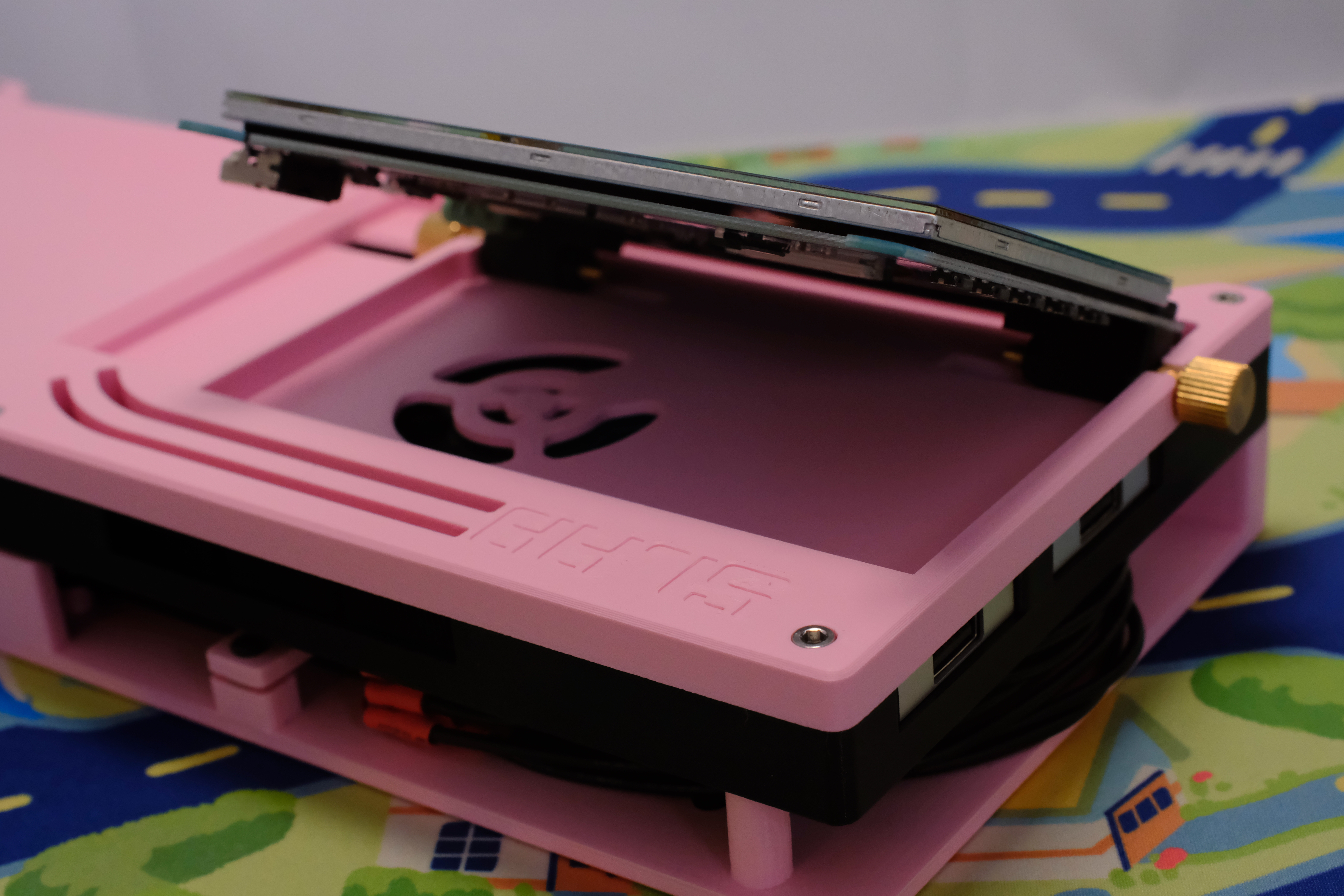
cooling relies entirely on the mainboard's OEM heat pipes and countersunk fan. when the screen is in use and elevated, holes underneath are exposed to vent air. thermal performance doesn't seem different from my real FW13 but i'm not exactly stress-testing it running tools like FireControl or pronterface.
that's all for now. when everything is wrapped up i'll make another post with a build guide, parts list, and model files linked on a dedicated project page.
PLUR
anchovie